Interior Design Styles: A Complete Guide for Your Home
The variety of interior design styles makes it easier to shape the character of your home. Every apartment calls for a different atmosphere, so it’s worth exploring the options carefully. In this article, we introduce the most popular interior design styles, their features, and where they work best. We’ll help you decide which direction best suits your lifestyle and your home’s layout. Choosing the right style is not only an aesthetic question, but also a functional one.
Why Is It Important to Know the Different Interior Design Styles?
Knowing the different interior design styles helps you avoid unnecessary, costly mistakes during renovation. If you clarify in advance what mood you want, you can choose furniture, paint, and flooring more easily. A coherent interior offers a calmer, more harmonious everyday experience. In addition, a well-chosen style can increase the value of a property. Conscious planning saves both time and money in the long run.
The Basic Principles of Choosing a Style
Before starting a renovation, it’s worth assessing the space you have available. Natural light conditions, room size, and family habits all influence the decision. Not every interior design style suits every floor plan equally well. In a smaller apartment, for example, light, minimalist solutions make the space feel larger. In bigger spaces, however, you can experiment more boldly with colors and textures.
The Most Popular Interior Design Styles
Scandinavian Style
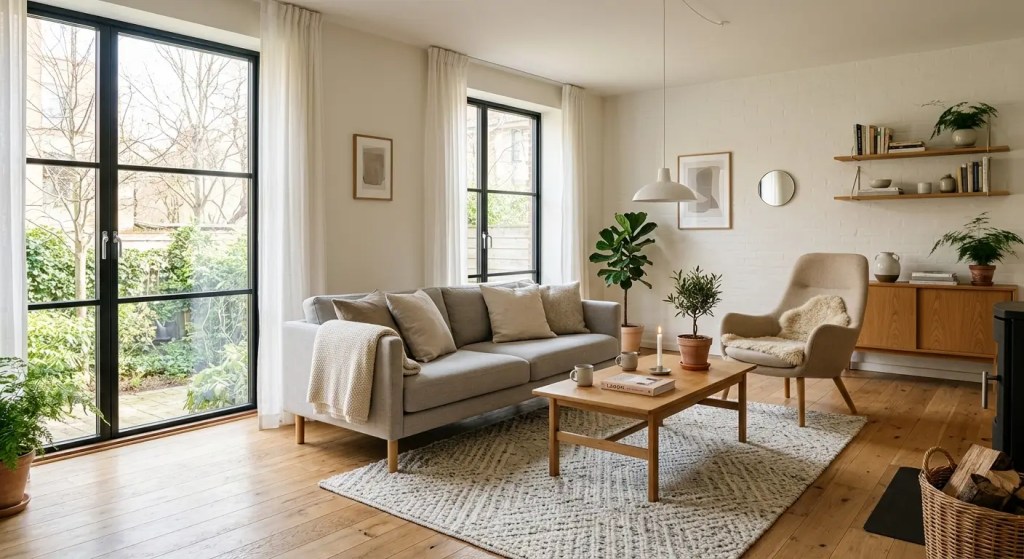
Scandinavian style is one of the most popular directions among interior design styles. It’s characterized by a light color palette, wooden elements, and functional furniture. Minimalism and practicality coexist here at the same time. Originally developed for the cold northern climate, this style places great importance on maximizing natural light. Textiles, cushions, and soft rugs create the mood. Scandinavian homes are often white or pastel-toned, combined with wooden flooring.
Modern Style
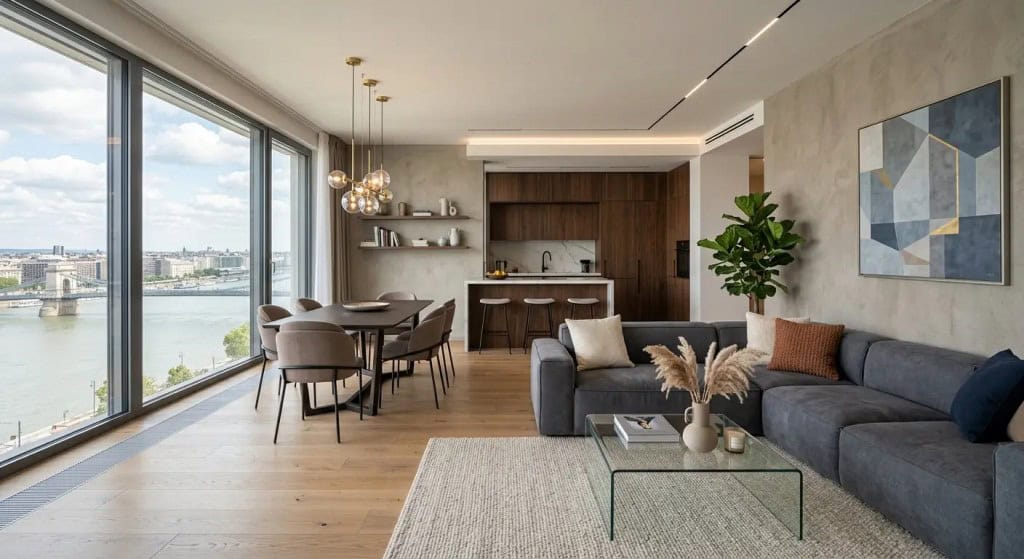
The modern interior design direction is built on clean lines and simplicity. Few decorations, sleek forms, and a neutral color palette define it. Functionality always takes priority over unnecessary decoration. Glass, metal, and matte surfaces are frequently combined in this style. As a result, this style suits homes where order and clarity are important priorities. Modern living rooms often feature built-in storage as well.
Loft Style
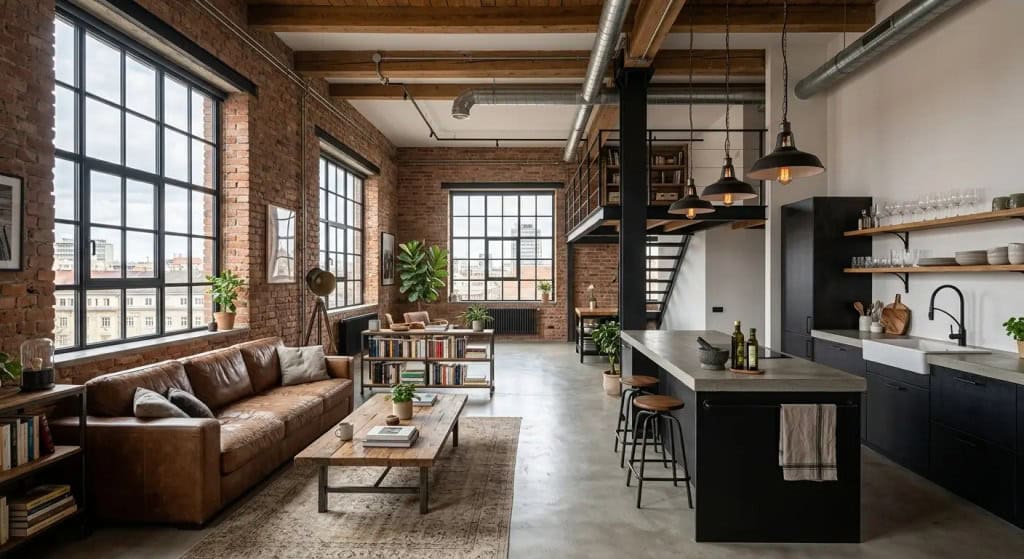
Loft style emerged from industrial spaces and old warehouse buildings. Exposed brick walls, raw concrete, and metal structures form its foundation. This interior design direction looks particularly striking in apartments with high ceilings and open floor plans. In loft homes, vintage furniture is often mixed with modern elements. The raw surfaces and warm lighting create an exciting contrast. Additionally, this style favors large windows and open circulation spaces.
Minimalist Style
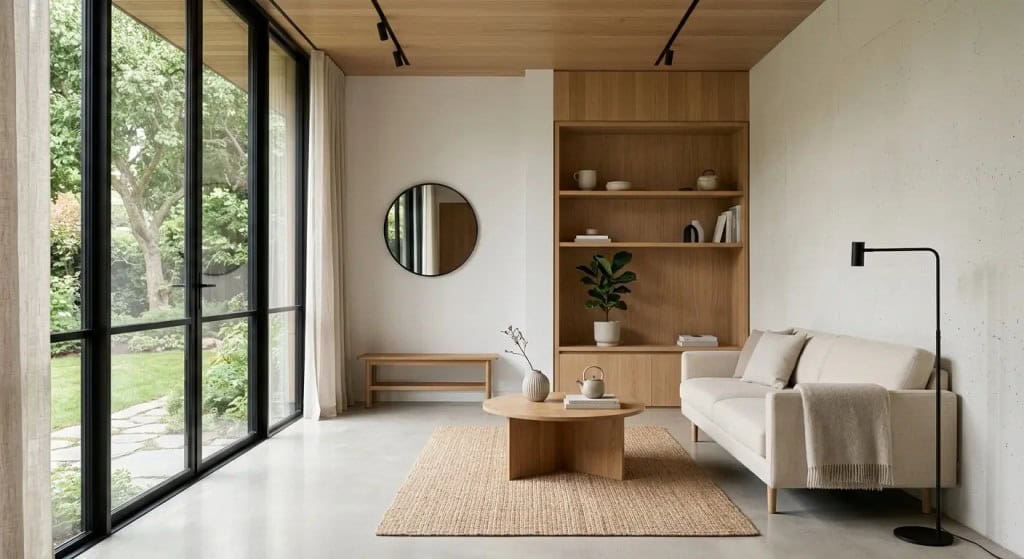
Minimalism represents the “less is more” principle in interior design. Only truly necessary furniture and objects have a place in the space. The color palette typically consists of white, gray, or beige tones. Order and cleanliness play a central role in this direction. As a result, minimalist spaces radiate calm and are easy to maintain. Many people choose this solution for stress-free everyday living.
Classic Style
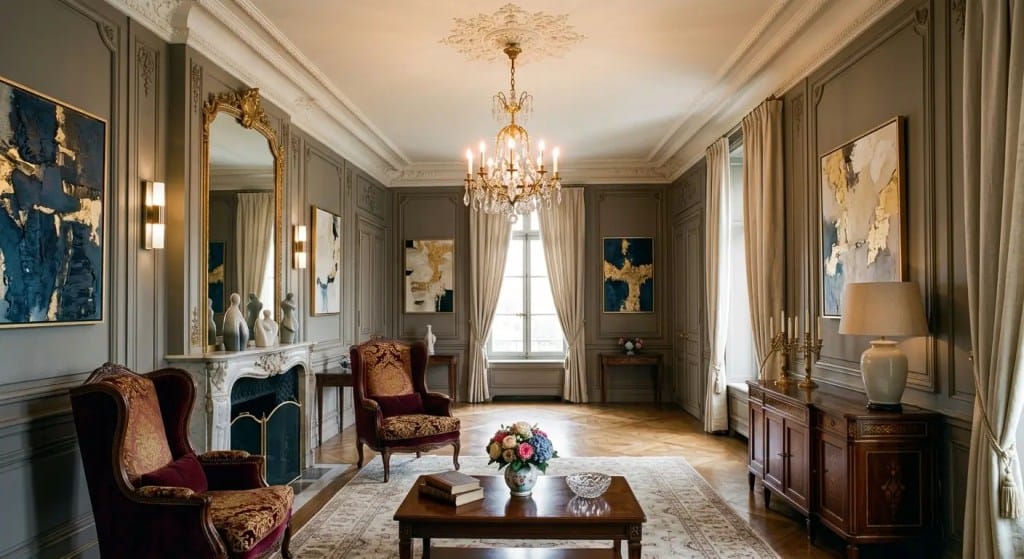
Classic interior design style represents timeless elegance. Ornate furniture, rich textiles, and gold decorative elements define it. This direction often appears in larger, representative apartments or houses. Symmetry and harmony are fundamental organizing principles in classic spaces. Chandeliers, stucco, and carved furniture create a distinctive atmosphere. Although more expensive to implement, however, classic style remains timeless in the long run.
Provence Style
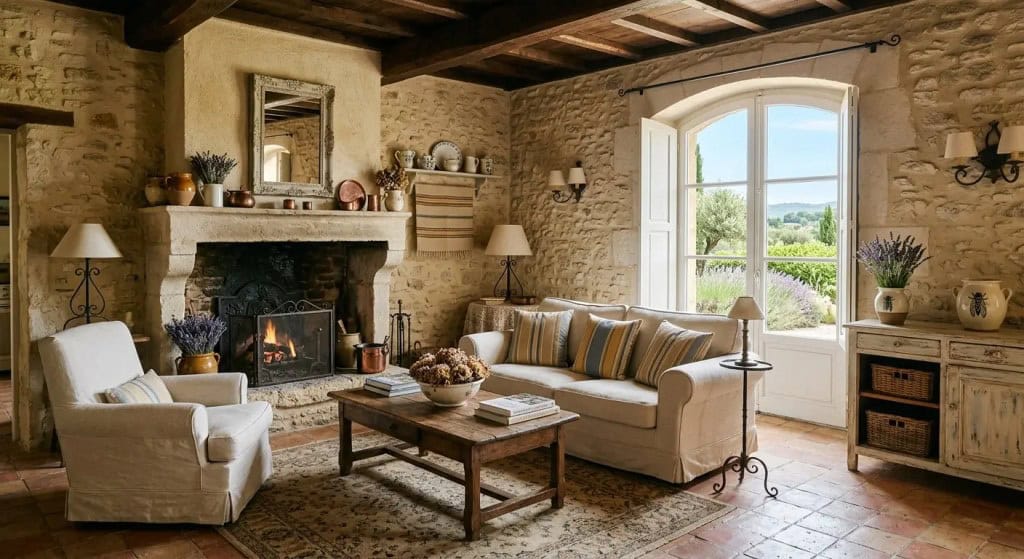
Provence style evokes the atmosphere of rural life in southern France. Soft pastel colors, weathered surfaces, and floral patterns define it. This interior design direction radiates warmth and homeliness. We often encounter it in vacation homes or countryside houses. Wooden furniture, wrought-iron elements, and textiles give it its final character. As a result, Provence style enthusiasts favor a friendly, family atmosphere.
Industrial Style
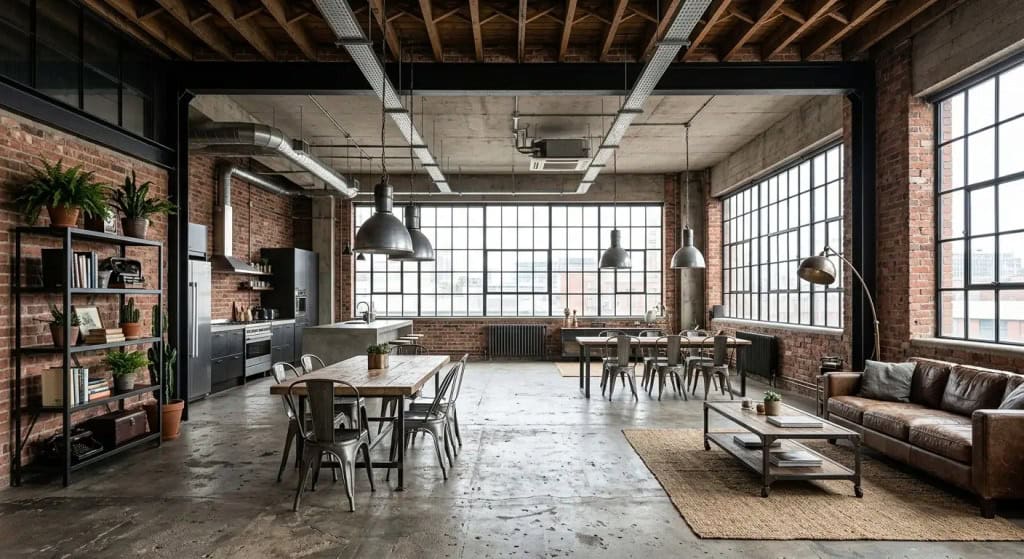
Industrial style is related to the loft direction but has its own distinct character. Raw materials, pipes, and metal structures dominate the space. This interior design solution often appears in restaurants, offices, and city apartments. Dark colors and matte surfaces create a strong, bold mood. Furthermore, industrial style favors functional, easy-to-clean materials. As a result, it’s a particularly popular choice in youthful, dynamic homes.
Eclectic Style
Eclectic style combines elements from different eras and directions in a single space. This solution gives both the decorator and the residents great freedom. Among all interior design styles, this one requires the greatest design sense. Vintage furniture, modern lamps, and ethnic textiles can all coexist at once. The key to success is balance and deliberate color choices. Poorly executed, it can look cluttered; well planned, however, it makes a home truly unique.

Interior Design Styles: How Do You Choose the Right One for You?
When choosing, it’s worth considering your family’s lifestyle and habits. A family with children has different needs than a young couple. Your available budget is also an important factor, since some styles are more expensive. The room’s characteristics, such as light conditions and size, are also decisive. It’s worth gathering inspiration images before making a decision. Combining different interior design styles is also an accepted approach, as long as it’s done deliberately. Involving a specialist can help you avoid common design mistakes.
Common Mistakes When Choosing a Style
Many people choose a style by following trends instead of their own needs. In the long run, this can lead to dissatisfaction with the finished space. Another common mistake is inconsistent use of color between rooms. Furniture size also doesn’t always fit the available space. Therefore, it’s worth carefully planning the space before purchasing anything. Patient planning always pays off more than a hasty decision.
The Benefits of Combining Interior Design Styles
You don’t have to follow only one direction in your home. Many designers blend elements from different interior design styles together. As a result, a unique, personalized home can be created. The key is finding common threads, such as a recurring color or material. This way, the different elements still form a harmonious whole. Combining styles also offers room for creativity and self-expression.
Interior Design Styles – Frequently Asked Questions
Scandinavian and minimalist styles generally require less furniture and decoration. As a result, this can mean lower initial costs during execution.
Yes, many designers deliberately blend different directions. The key to success is the consistent use of shared colors and materials.
This largely depends on the scope of the renovation and the chosen style. A simpler transformation can be completed within a few weeks.
It’s not required, but a specialist can help avoid common design mistakes. This is especially worth considering for more complex spaces.
The light colors of minimalist and Scandinavian interior design directions make a space feel larger. In addition, these styles require less furniture and decoration.
Getting to know the different interior design styles is the first step toward a successful renovation. Whether you choose a single direction or combine several, conscious planning matters most. If you need expert help with the execution, the Cubitherm team is happy to assist.