Interior Design: The Science of Functional and Aesthetic Spaces
Interior design is much more than simple home decoration. It is a complex professional discipline that shapes both the functionality and aesthetics of a space. The interior designer plans livable, harmonious, and personalized interior spaces. During the process, the designer takes into account the client’s needs, the characteristics of the space, and current trends alike. As a result, a well-planned interior is not only beautiful but also comfortable to use for decades.
Interest in interior design is growing steadily in Hungary. People are spending more and more on designing and renovating their homes. Consequently, they recognize that a professionally planned space fundamentally improves quality of life. In addition, it significantly increases the value of the property.
Areas and Responsibilities of Interior Design
Interior Design: Planning Residential Buildings
The interior design of residential buildings is the most common specialty. The interior designer maps out the client’s lifestyle and needs. Furthermore, they plan the layout and functions of each room. Selecting furniture, materials, and colors is also part of the designer’s task.
Residential planning covers every room in the home. The living room, bedroom, kitchen, and bathroom each require dedicated planning. Every room has its own character and function. At the same time, however, the entire home must form a unified and harmonious overall look.
Interior Design: Commercial and Office Spaces
Commercial and office interior design presents distinct challenges. Business spaces demand specific functional and ergonomic requirements. Specifically, the design of an office directly affects employee efficiency. Similarly, the layout of a retail space influences customer behavior and foot traffic.
Here, the interior designer also takes brand identity into account. As a result, the visual identity elements and the design of the space must work in harmony. Easy navigation and accessibility are likewise important design considerations. In commercial design, return on investment and revenue growth are also goals.
Interior Design: Planning for the Hospitality Industry
Hospitality interior design is the most creative and complex field. The atmosphere of a restaurant, café, or hotel plays a decisive role in its success. Indeed, guest experience and the likelihood of return visits are closely tied to how the space is designed. Therefore, the interior designer plays an especially important role here.
In hospitality design, creating the right atmosphere is essential. Lighting, materials, and furniture together establish the venue’s unique character. Furthermore, managing guest flow and service efficiency are also key design considerations. Similarly, the relationship between the kitchen and the dining area must be planned for optimal function.
The Interior Design Process
Interior Design: Needs Assessment and Concept Development
Interior design planning always begins with a thorough needs assessment. Detailed consultation with the client is necessary to understand their expectations. Specifically, lifestyle, habits, aesthetic preferences, and functional needs are all discussed. This forms the foundation on which the entire design process is built.
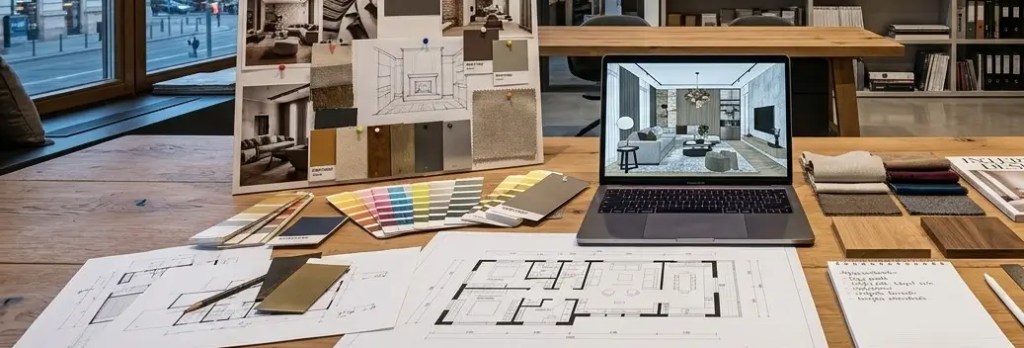
The concept is then developed based on this needs assessment. The interior designer determines the basic style direction and mood. As a result, they create a moodboard to present the visual direction. Once the client approves it, the detailed design phase can begin.
Space Planning and Floor Layout in Interior Design
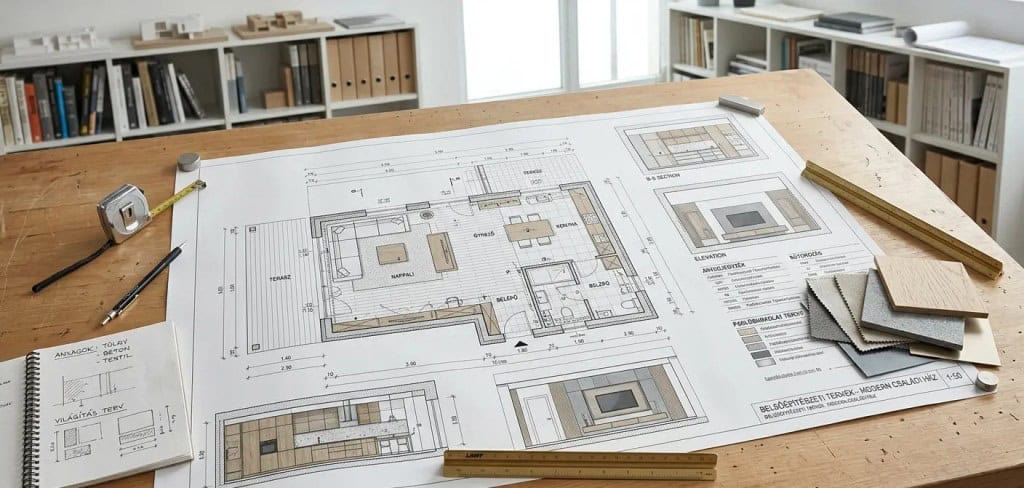
Space planning is one of the most important phases of interior design work. On the floor plan, the placement of furniture and functional zones must be determined. Additionally, traffic pathways must be wide enough for comfortable movement. Furthermore, a logical relationship must be established between each function.
In space planning, making the most of natural light is also a key consideration. Proper placement of windows and mirrors can visually expand a space. As a result, even small rooms can be made to feel spacious. To achieve this, the right colors, furniture, and mirrored surfaces are needed.
Material and Color Selection in Interior Design
Material and color selection decisively shapes the mood of the finished space. The interior designer understands the properties and applications of different materials. Durability, maintainability, and aesthetics are all equally important considerations. Therefore, combining materials harmoniously requires particular expertise.
The psychological effect of color is likewise an important design factor. Warm colors create a cozy atmosphere. In contrast, cool tones create a more spacious and modern feel. Ultimately, the right combination of color and material produces a unified, harmonious overall look.
Lighting Design in Interior Design
Lighting is one of the most important, and most underestimated, elements of interior design. Proper lighting provides not only functionality but also atmosphere. Specifically, lighting must be planned on three levels: ambient, accent, and task lighting. Together, these create flexible and atmospheric illumination.
Ambient lighting provides even light throughout the space. Accent lighting, meanwhile, highlights decorative elements and artwork. Task lighting, in turn, provides focused light for activities such as reading or cooking. Furthermore, smart lighting control systems make it possible to control each of these independently.
Interior Design Styles and Trends
Modern and Minimalist Interior Design
Modern and minimalist style is one of the most popular interior design trends. It is characterized by clean lines and a restrained color palette. The “less is more” principle applies to every element. As a result, functionality and aesthetics combine perfectly in this style.
In minimalist interior design, storage solutions are especially important. Built-in cabinets and hidden storage are essential. Clutter and visible loose items, however, can quickly undermine the style. Therefore, planning smart storage solutions is key.
Scandinavian Interior Design
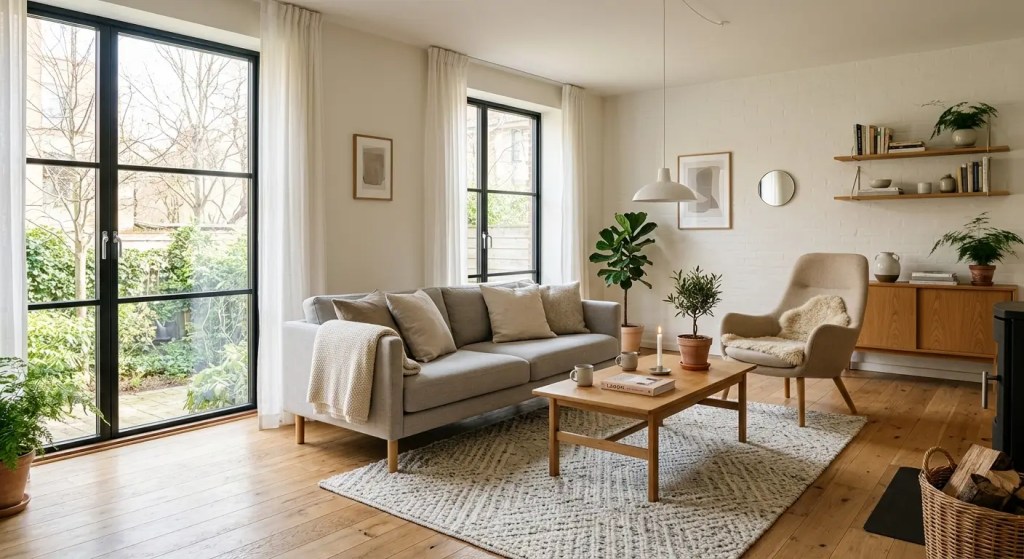
Scandinavian style uses natural materials and light colors. Wood, stone, and textiles dominate as natural materials. White and gray tones form the base palette. In addition, warm wood accents and plants make the space feel more homely.
Scandinavian interior design pays particular attention to natural light. Large windows and light curtains maximize the amount of natural light. Furthermore, cozy accessories and the “hygge” philosophy characterize this style. As a result, this approach creates a particularly pleasant and welcoming atmosphere.
Industrial and Loft Interior Design
Industrial and loft style celebrates raw materials and open structures. Exposed brick, concrete, and steel elements are typical of this trend. High ceilings and large open spaces are likewise characteristic. This style truly shines in original industrial buildings.
Even within the industrial style, the interior designer ensures warm elements are included. Specifically, soft textiles and wood elements soften the raw look. Vintage furniture and unique lighting add personality to the space. As a result, the outcome is a bold yet homely and livable interior.
Classic and Elegant Solutions
Classic style offers a timeless, elegant appearance. It is characterized by symmetry, decorative elements, and rich materials. Velvet, marble, and gold tones dominate. As a result, this style creates a distinctive and dignified atmosphere.
Classic interior design does not necessarily mean a rigid or outdated approach. Indeed, modern classicism blends traditional elements with a contemporary sensibility. The result is an elegant yet fresh and livable space. Consequently, timeless design retains its beauty and value for decades.
Why Hire an Interior Designer?
The Professional Value an Interior Designer Adds
Hiring an interior designer brings significant professional value. Specifically, they see connections that an untrained eye would miss. As a result, they help avoid costly design and construction mistakes. In most cases, therefore, the investment pays off through better quality and increased property value.
Additionally, the interior designer knows the materials market and reliable contractors. As a result, they can source materials at better prices than an individual client could. Their network of contacts, furthermore, allows for faster and smoother execution. This ultimately saves both time and money throughout the project.
Increasing Property Value
Professional interior design directly increases property value. A well-designed home or office can be sold or rented for a higher price. Specifically, potential buyers and tenants are willing to pay more for a space that is both functional and aesthetically considered. This is especially true for premium properties.
The return on investment for interior design is exceptionally favorable. Typically, it returns several times the design fee through increased property value. In addition, better decisions help avoid costly mistakes, which represents further savings. The investment, therefore, is justified and profitable in every respect.
How to Choose an Interior Designer for Your Project
Choosing the right interior designer requires thorough research. Start by reviewing the designer’s portfolio and previous work. Then, check whether their style matches your vision. Ultimately, a personal consultation is the best way to determine whether the fit is right.
Request a detailed design proposal and timeline. The payment structure is also an important consideration, whether hourly or a fixed fee. Furthermore, a clear contract helps prevent misunderstandings. Finally, regular communication and feedback remain important throughout the entire project.
Summary
Interior design is a complex professional discipline focused on the conscious and expert shaping of spaces. Whether it’s a home, an office, or a hospitality venue, professional planning fundamentally determines the quality of the space. From functional layout to material selection to lighting design, every element is equally important. As a result, involving an experienced professional produces a space that is not only more beautiful but also more practical and valuable. Ultimately, interior design is an investment that pays off in the long run by improving quality of life and increasing property value